
Story & Adventure
Follow shattered dynasties, ruined keeps, and expeditions that keep peeling away the world's hidden history.
Dark Fantasy MMORPG
A dark fantasy MMORPG built around war, guilds, farming, sea conquest, dungeon exploration, necromancy, and player-owned assets.
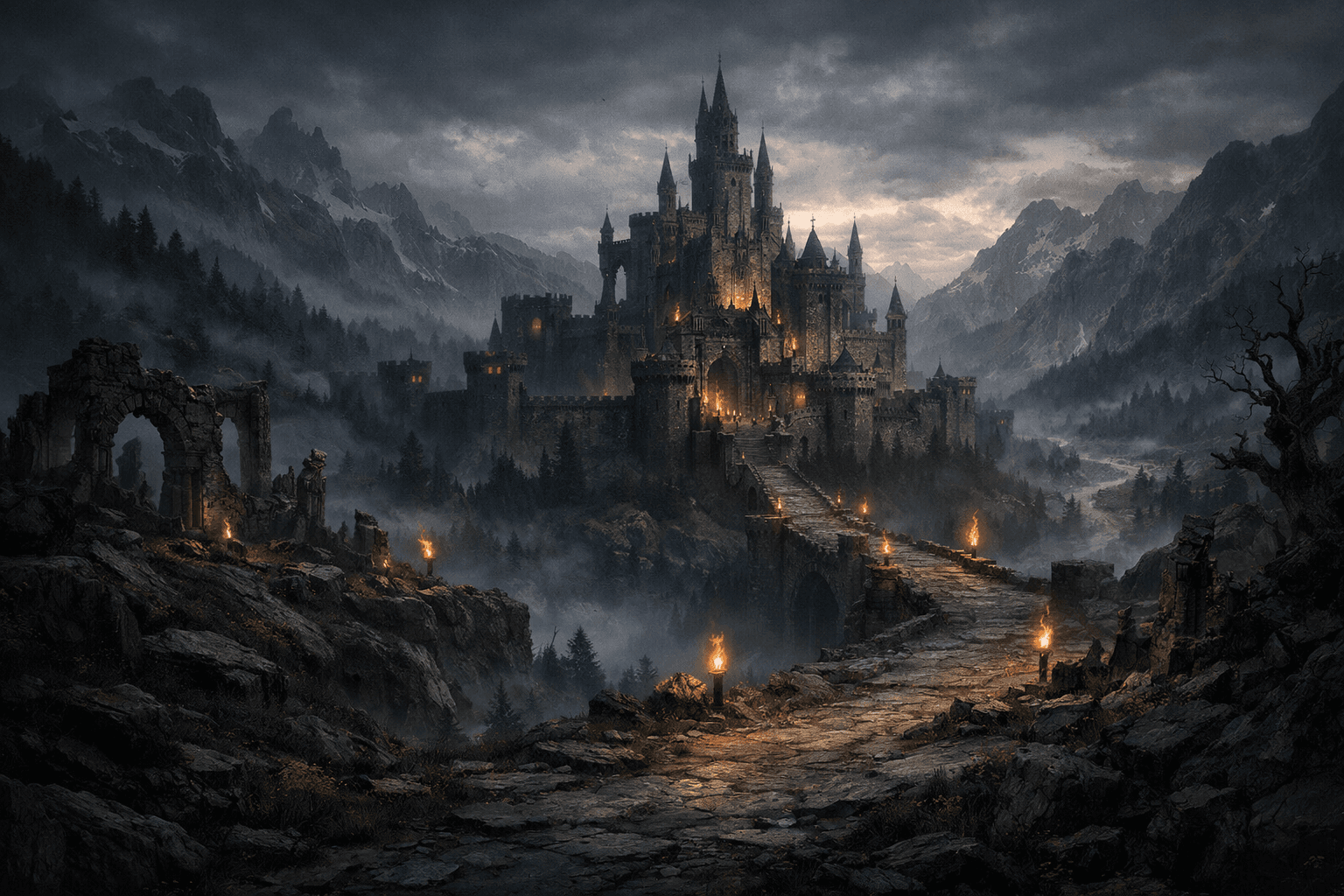
What is Souls of Revenge
Crafting, farming, sea conquest, necromancy, dungeons, guild warfare, and land conflict all live inside one story-first world designed to feel dangerous, inhabited, and worth mastering.
Story, conflict, and exploration anchor the experience before any ownership layer enters the picture.
Life skills, war systems, and occult progression all feed into the same world instead of feeling siloed.
Core Gameplay Pillars
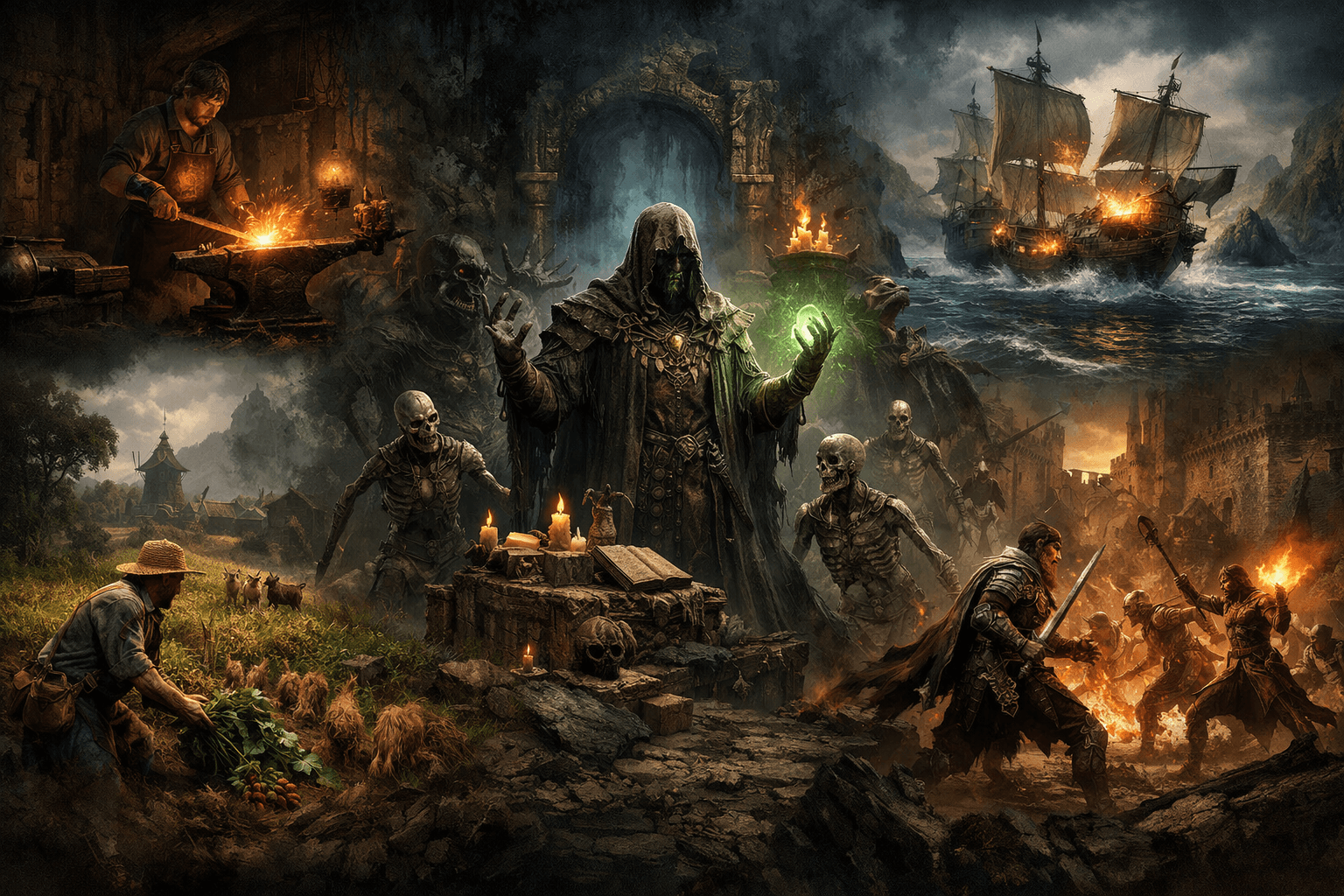
Every path to power has a place in the world, and each one feeds the wider economy, political map, and long-term progression loops.
Follow shattered dynasties, ruined keeps, and expeditions that keep peeling away the world's hidden history.
Harvest rare materials and forge equipment that matters to warfare, trade, and long-term progression.
Raise provisions, develop holdings, and support campaigns through slower systems with real economic value.
Fight for coasts, routes, and naval advantage where the sea is both battlefield and frontier.
Push into forbidden rites, buried vaults, and occult powers that reshape both combat and lore.
March with guilds, contest territory, and decide which banners will dominate the world after the next war.
Lore
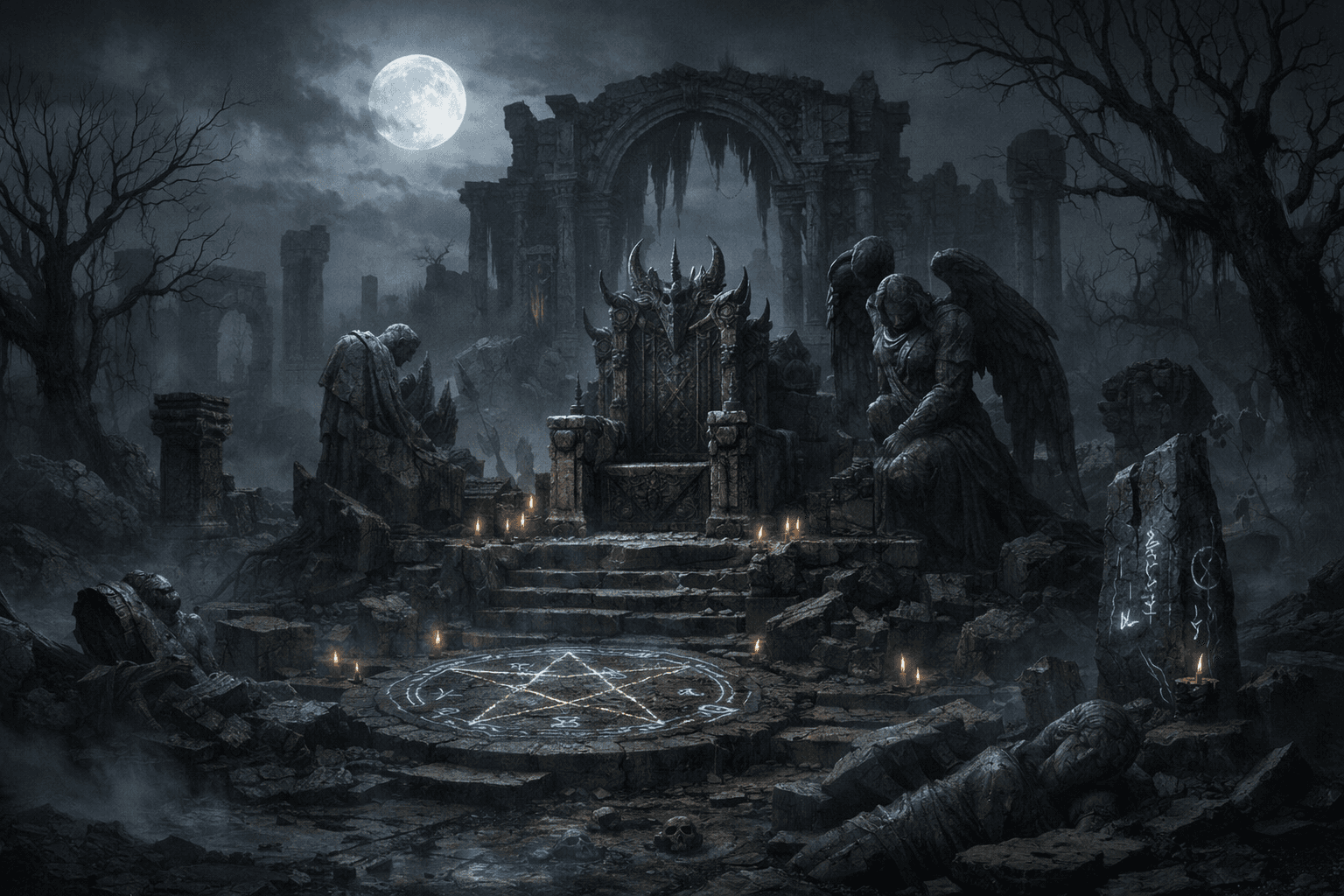
The world of Souls of Revenge is built on collapsed empires, ancient ruins, forbidden magic, buried history, and conflicts whose consequences never stopped spreading.
Buried cities, desecrated capitals, and shrine-ruins keep the old world visible in every frontier.
Forbidden magic and surviving cults hint that the past is still trying to return through the present.
Ownership & Economy
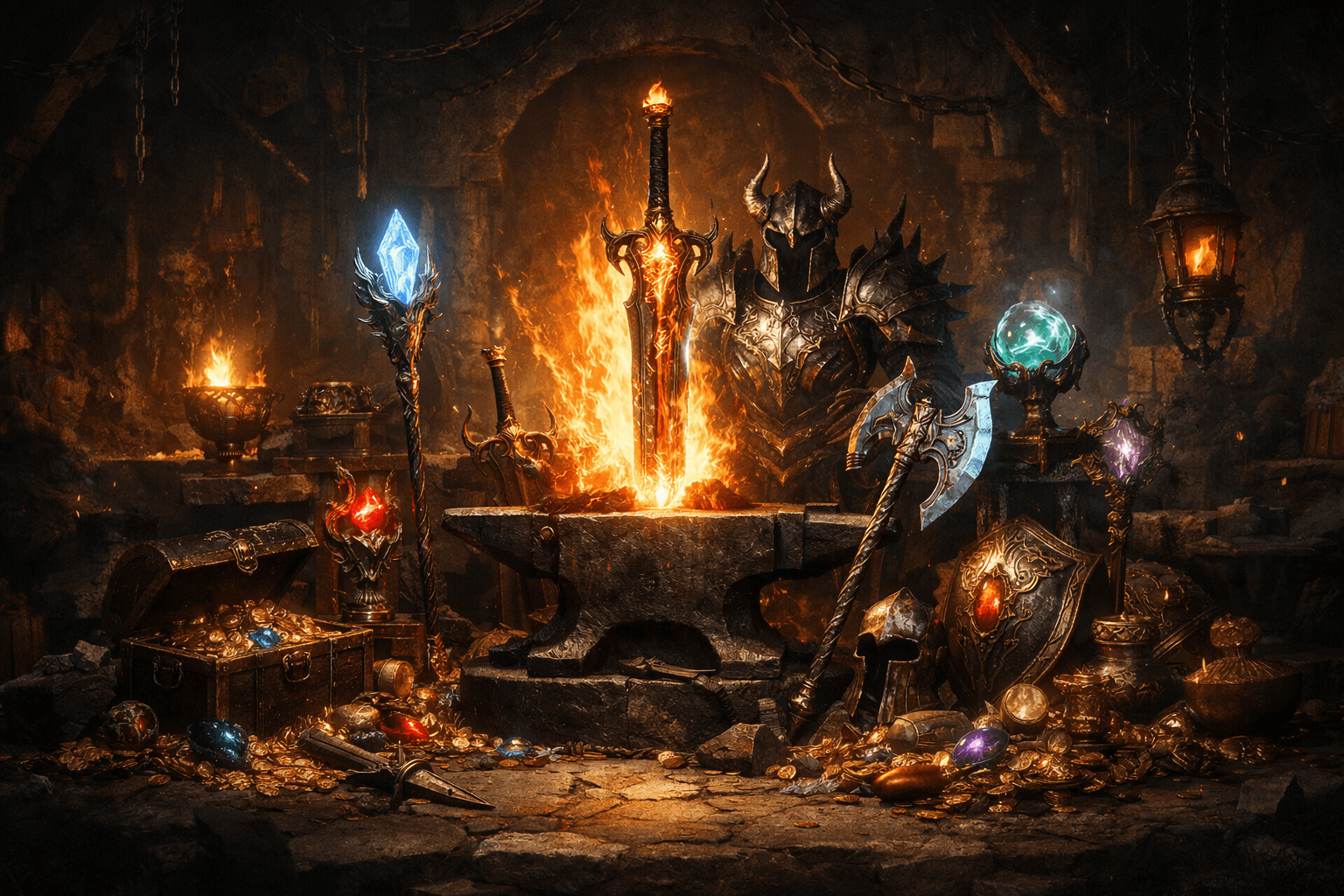
The economy is built around gameplay value first. Ownership exists to deepen progression, preserve rare rewards, and give long-term players a stronger claim over what they earn.
A game-first blockchain approach that stays behind the gameplay instead of overwhelming it.
Player-owned assets earned through meaningful victories, rare discoveries, and long-term mastery.
NFT rewards positioned as property and trophies, not as the main reason to play.
Upgrade systems that create a long-term sink and keep gear value tied to effort over time.
Marketplace
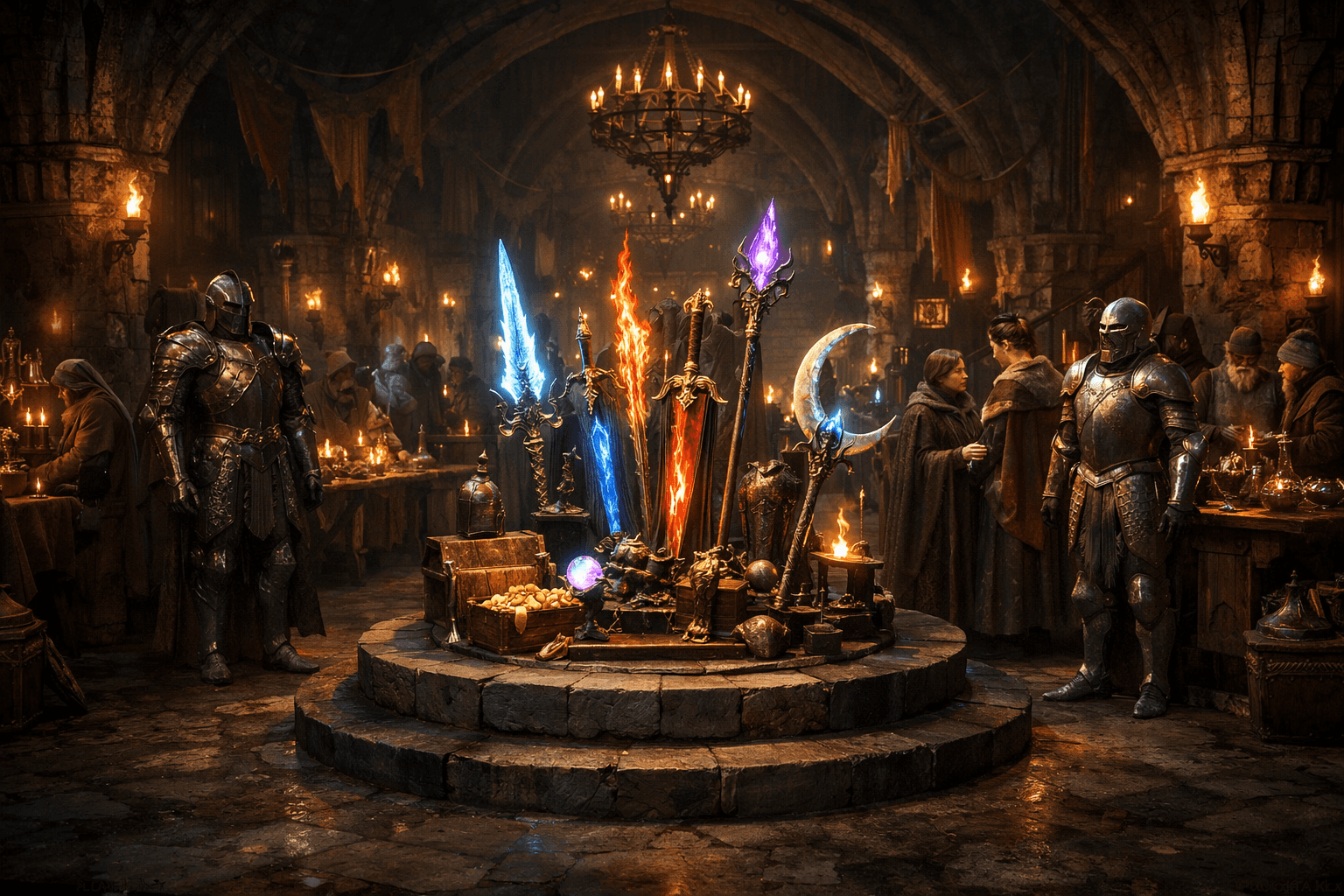
The Marketplace supports progression and trading while keeping the focus on the loot, builds, and ambitions that made those assets valuable in the first place.
The Marketplace supports progression and trading without replacing the core game loop.
Assets trade in UBQ, tying the economy into the broader UberQ foundation.
Discovery, rarity, and ownership remain readable so trading feels useful instead of noisy.
UberQ Ecosystem
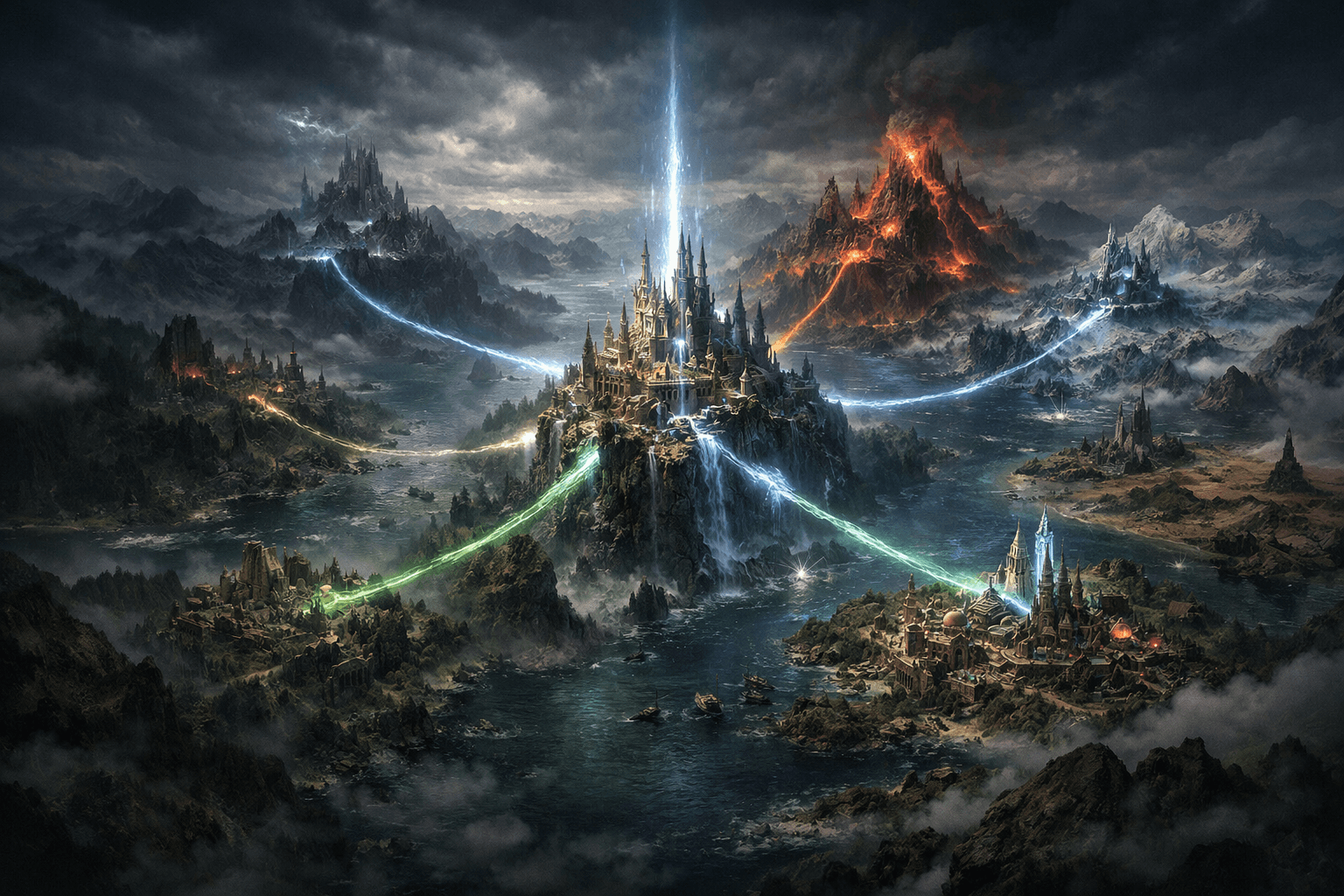
One fully realized world leads the way. A card game and future titles can arrive later while UBQ connects the broader ecosystem without flattening each game's identity.
The flagship experience comes first, setting the tone for every later title in the ecosystem.
A card game and future releases can follow without diluting the main world during its first era.
The token can connect the ecosystem while each game keeps its own identity, items, and progression.
Technology / UberQ L1
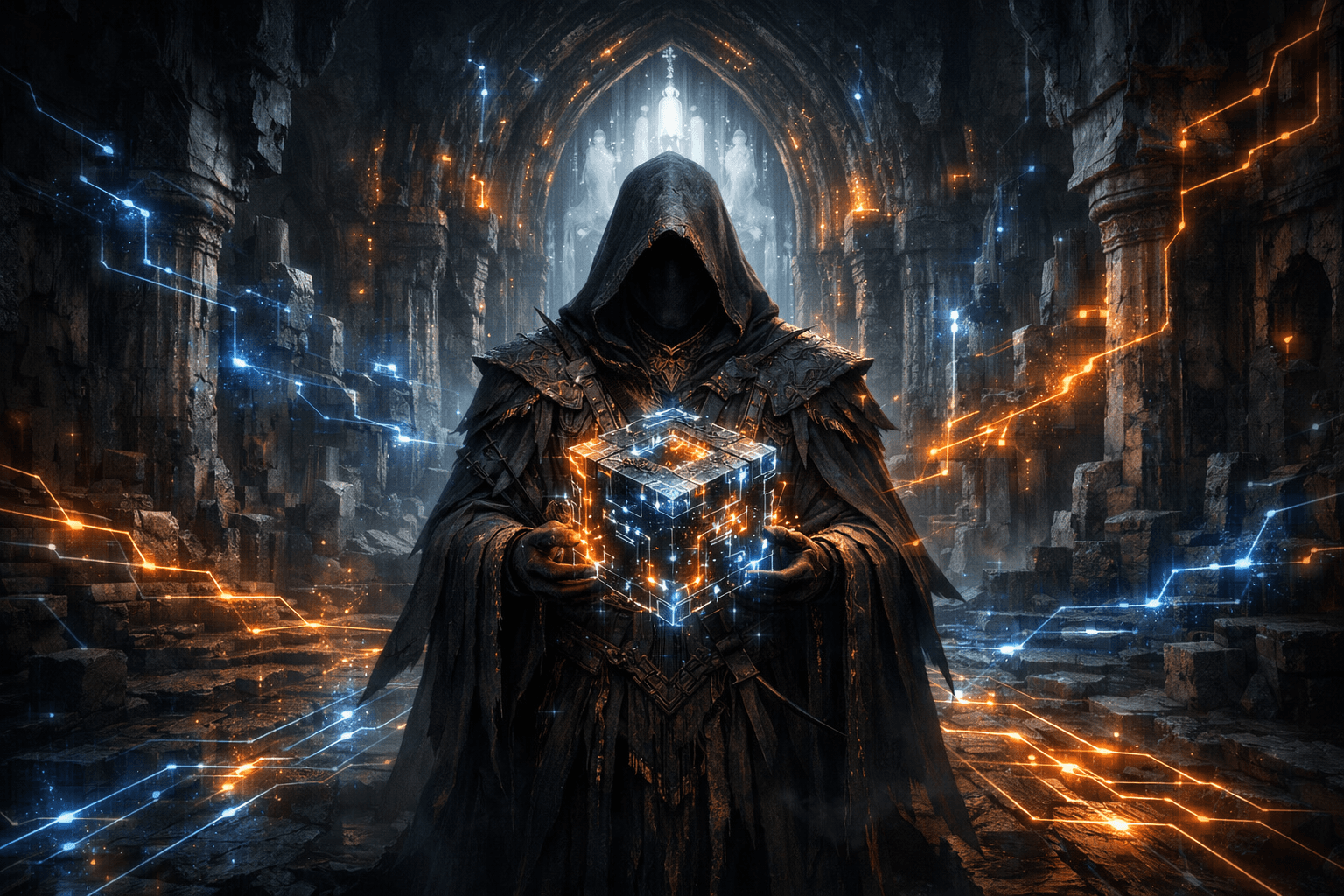
UBQ is meant to carry more than trading alone. The long-term technical direction points toward one stronger shared base for transactions, staking, governance, and future game-connected services.
UBQ is positioned as the native token for gas, staking, and utility across the ecosystem.
The current site messaging stays grounded in Avalanche Fuji Testnet while pointing toward a stronger shared UberQ L1 base.
A shared foundation makes it easier to connect marketplace utility, governance, and future ecosystem services.
Gas
Utility
Foundation
Future Governance
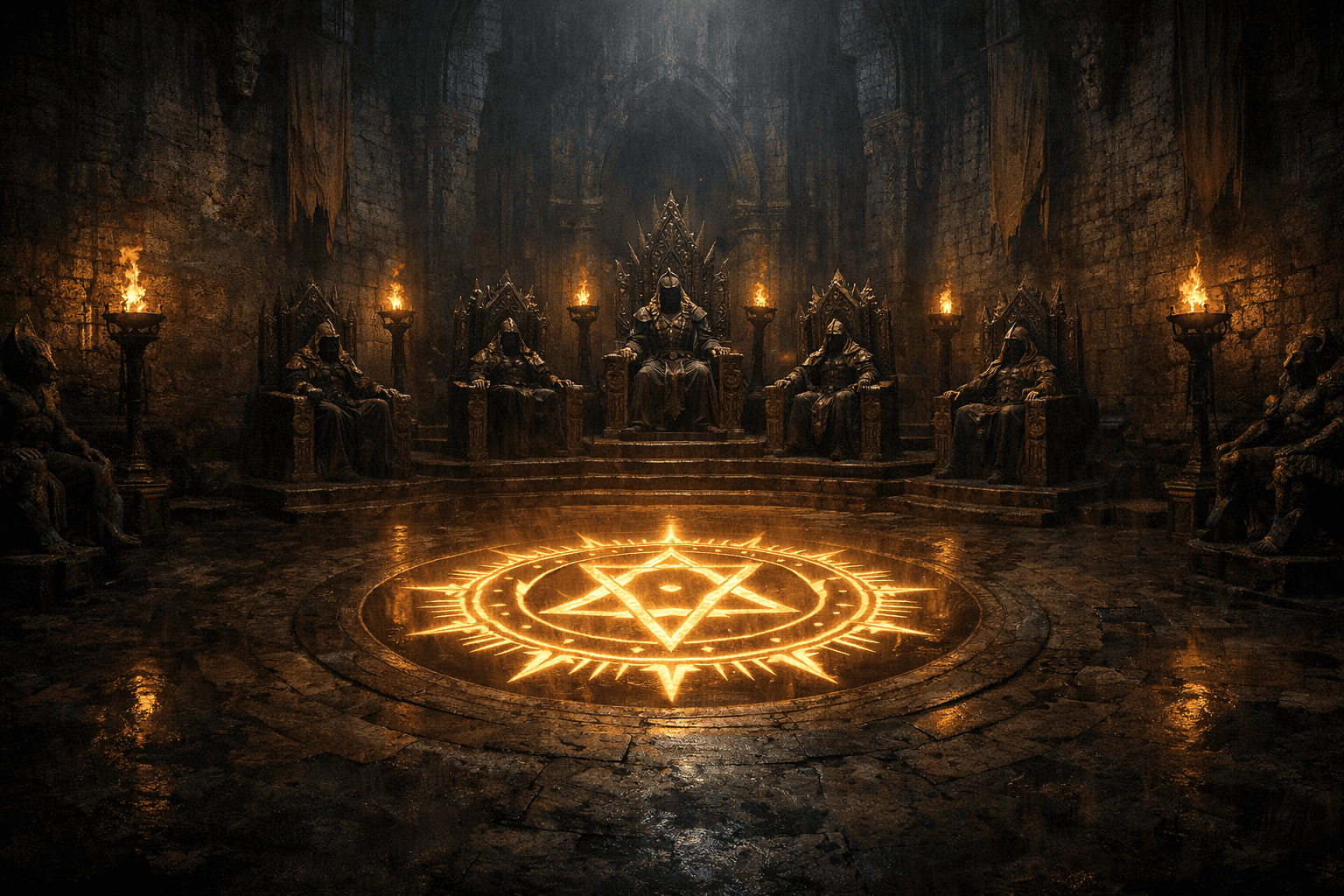
Governance is framed as a future layer that arrives after the world, economy, and technology have earned trust. When that foundation is ready, players and UBQ holders can help shape what comes next.
Future UBQ voting can create measured community influence as the ecosystem matures.
Player-controlled updates are a long-term destination, not a rushed launch promise.
Community-driven development works best once the world, economy, and technical layer are already stable.